



Full Professor · Geography & Environmental Studies

Eric Vaz

Spatial analysis · GIScience · Regional science · Applied machine learning

I am a geographer and spatial scientist working at the intersection of computational methods, regional dynamics, and the geography of human habitat. My research asks how spatial data and machine learning can sharpen decisions about cities, regions, health, and the places people inhabit.

Position Full Professor, Toronto Metropolitan University
Based Toronto, Canada
Profiles Google Scholar  ·  LinkedIn
01 / About

A geographer's reading of the world we inhabit.

Geography, properly practiced, is not description. It is a discipline for reading the structure of the world — how people, ideas, and capital arrange themselves across space, and what those arrangements reveal about the choices societies make.

I am a Full Professor in the Department of Geography and Environmental Studies at Toronto Metropolitan University, where I also directed the Laboratory for Geocomputation and served as Graduate Program Director for the Master of Spatial Analysis. Before Toronto, I led the GIScience Research Group at Heidelberg University in Germany, and earlier held positions at the University of the Algarve and NOVA University of Lisbon, where I earned my doctorate.

Across two decades I have written seven Springer monographs and more than ninety peer-reviewed articles in spatial analysis, GIScience, and regional science. I currently serve on the editorial boards of Humanities & Social Sciences Communications (Springer Nature), Habitat International (Elsevier), REGION, and Data, among others, and was Editor-in-Chief of the Canadian Journal of Regional Science.

In 2012 I was named a Rising Star by the Regional Science Association International. In 2023 I was ranked among the top scholars globally in the field of Human Habitat by ScholarGPS. My work has been highlighted by NASA Earth Observatory and Elsevier. From 2018 to 2021 I served as President of the Canadian Regional Science Association.

Alongside my scholarship I contribute to the wider community of practice — reviewing for national funding councils, serving on scientific committees in Canada and Europe, and delivering invited lectures on GeoAI, regional intelligence, and the spatial dimensions of contemporary challenges.

02 / Research Themes

Eight currents of ongoing inquiry.

My work moves across several connected domains. Each is a distinct research tradition with its own methods and journals, but together they trace a single question: how does space structure the problems we care about, and what can computation tell us that narrative alone cannot?

I.

GIScience & Computational Geography

Spatial machine learning, cellular automata, spatial econometrics, quantum methods in spatial analysis, and the methodological foundations of computational geographic inquiry.

II.

Regional & Urban Systems

Land-use change, urban sprawl, metropolitan dynamics, and the role of small and medium towns in the geography of peripheral regions. Where regions move, and why.

III.

Business & Market Geography

Retail location, geodemographics, wealth distribution, and the spatial logics of consumer and investor behaviour. The geography of commerce as a window on urban structure.

IV.

Spatial Epidemiology & Health

Injury landscapes, access to care, environmental determinants of well-being, and the spatial dimensions of mental health and social pathology in urban settings.

V.

Environmental & Climate Geography

Wetland and habitat change, coastal erosion, climate resilience, and the anthropogenic and natural forces reshaping the physical landscape.

VI.

Heritage & Cultural Landscapes

Urban pressure on heritage sites, archaeological geography, and the cultural assets that anchor regional identity under conditions of rapid change.

VII.

Regional Intelligence & Policy

A framework I have developed across several books: how geographic evidence can inform regional and urban policy in the Anthropocene, where traditional models break down.

VIII.

Happiness & Subjective Geography

The spatial structure of subjective well-being — where people report feeling happy, and what the geographies of that sentiment reveal about the places we build.

03 / Books

Seven monographs on space, region, and change.

Seven volumes on space, region, and change — spanning peripheral Europe, metropolitan Canada, regional intelligence, the geography of happiness, and the territorial logic of knowledge economies.

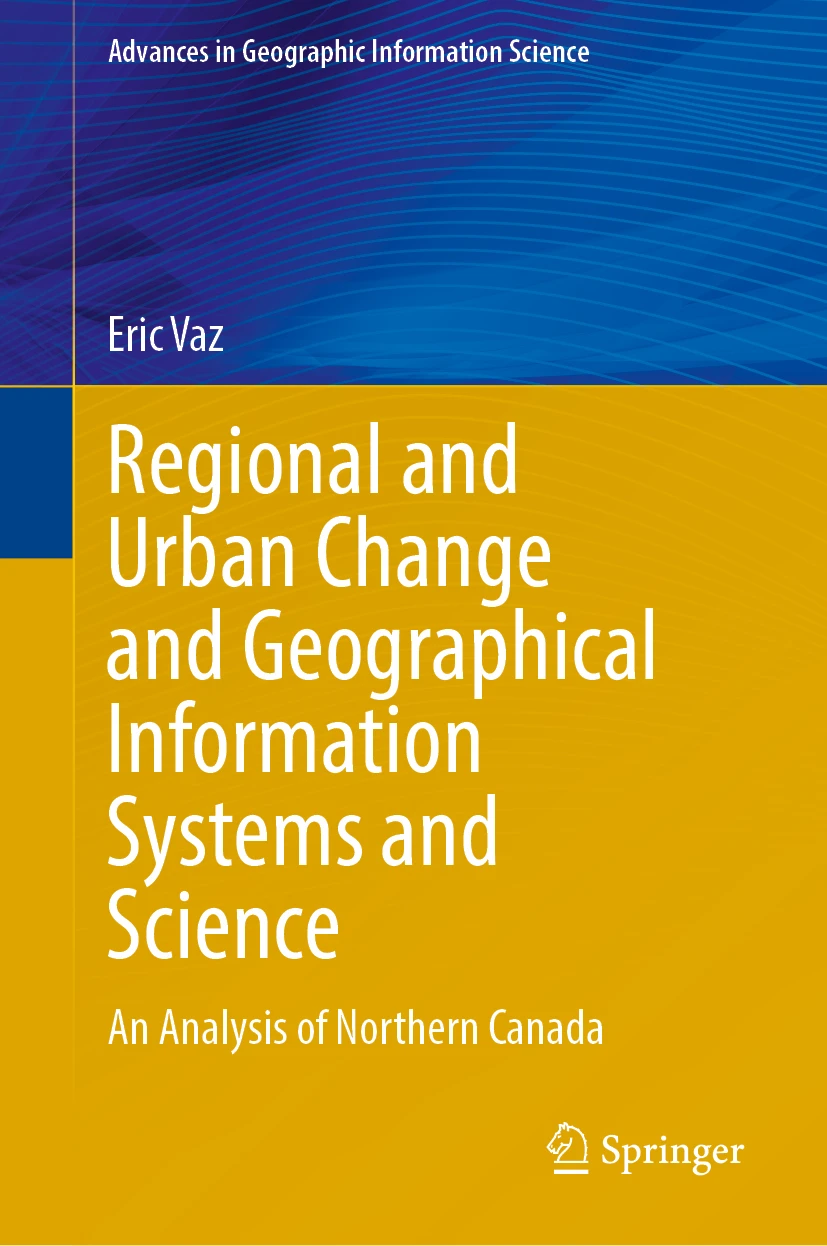
In Press Regional and Urban Change and Geographical Information Systems and Science — An Analysis of Northern Canada
2026 Springer

Regional & Urban Change and GIScience — Northern Canada

Nordicity, spatial intelligence, and Indigenous development trajectories across the Canadian North.

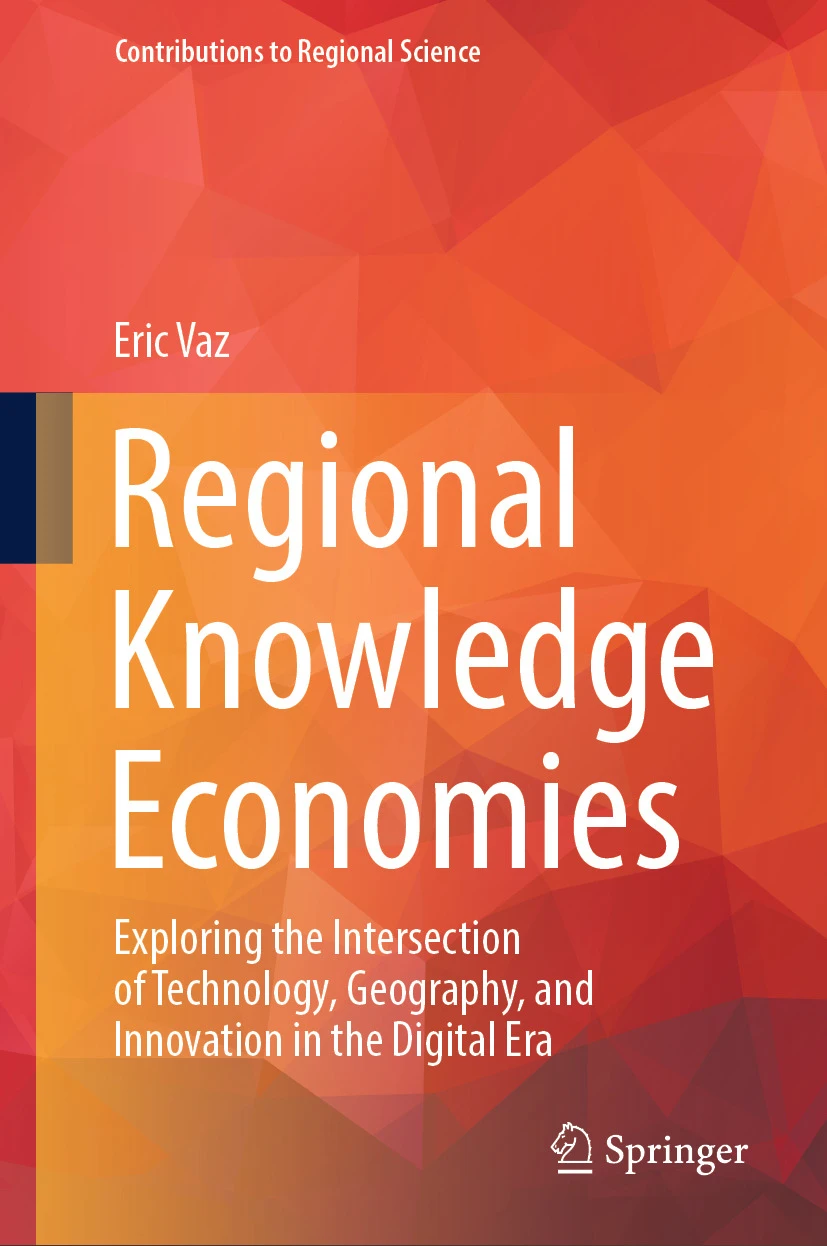
Regional Knowledge Economies — Exploring the Intersection of Technology, Geography, and Innovation in the Digital Era
2024 Springer

Regional Knowledge Economies

How knowledge economies concentrate, diffuse, and reorganize the territorial logic of innovation.

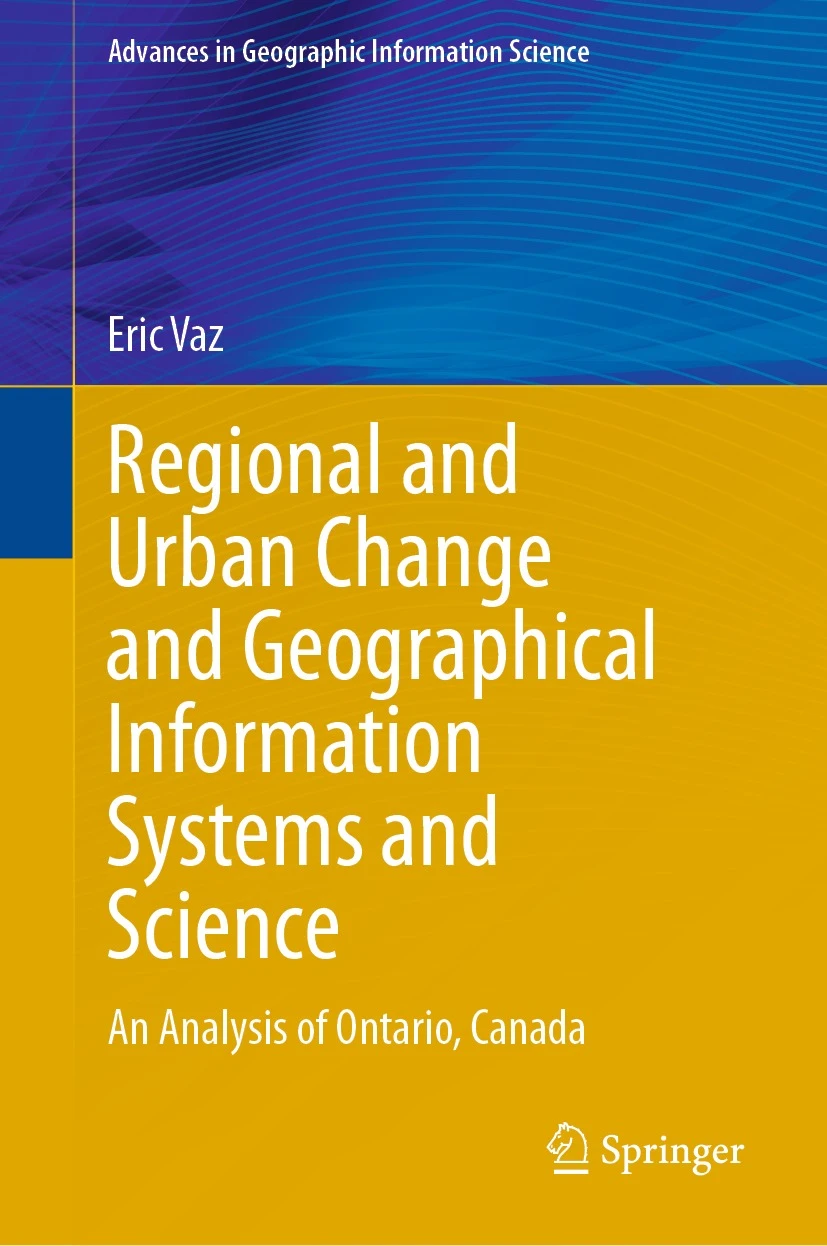
Regional and Urban Change and Geographical Information Systems and Science — An Analysis of Ontario, Canada
2023 Springer

Regional & Urban Change and GIScience — Ontario, Canada

A comprehensive spatial diagnosis of Ontario's regional trajectories across four decades.

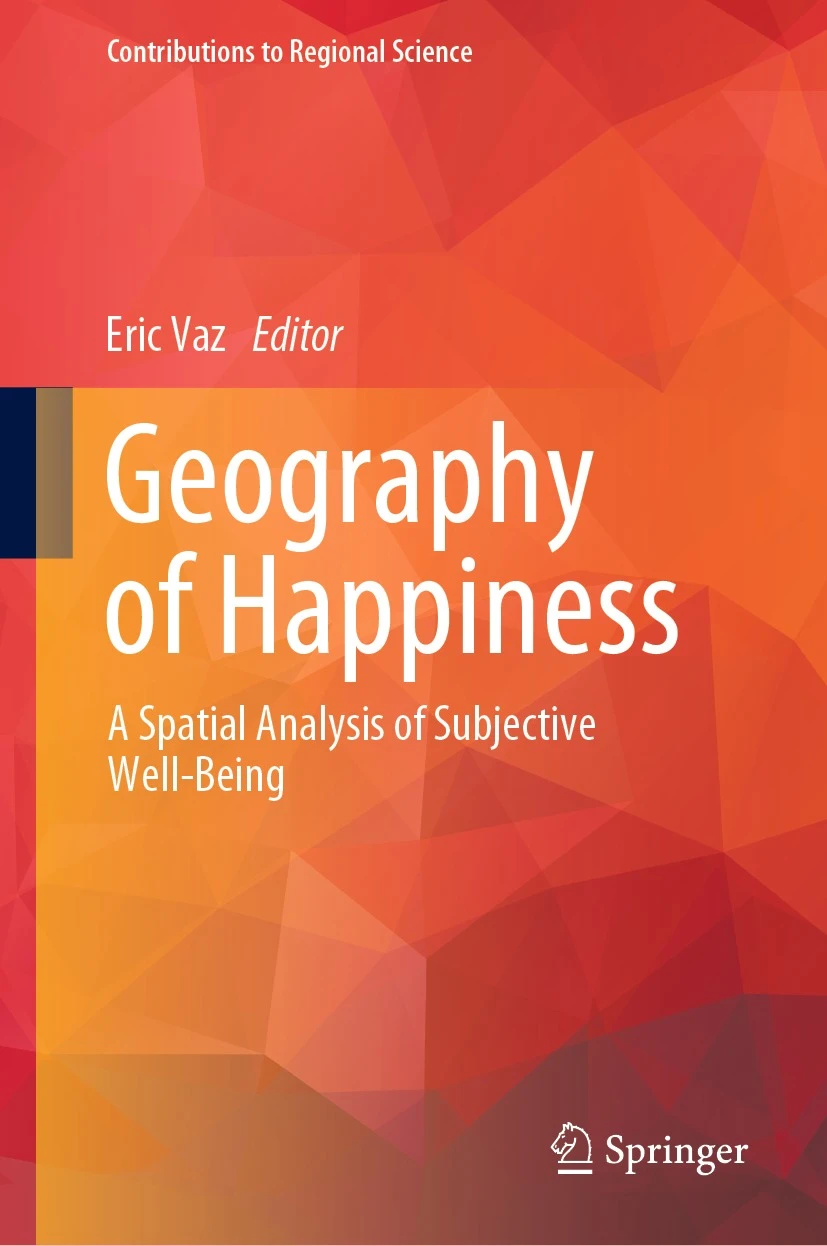
Edited Geography of Happiness — A Spatial Analysis of Subjective Well-Being
2023 Springer

Geography of Happiness

Machine learning applied to geotagged social data to map where and why people report happiness.

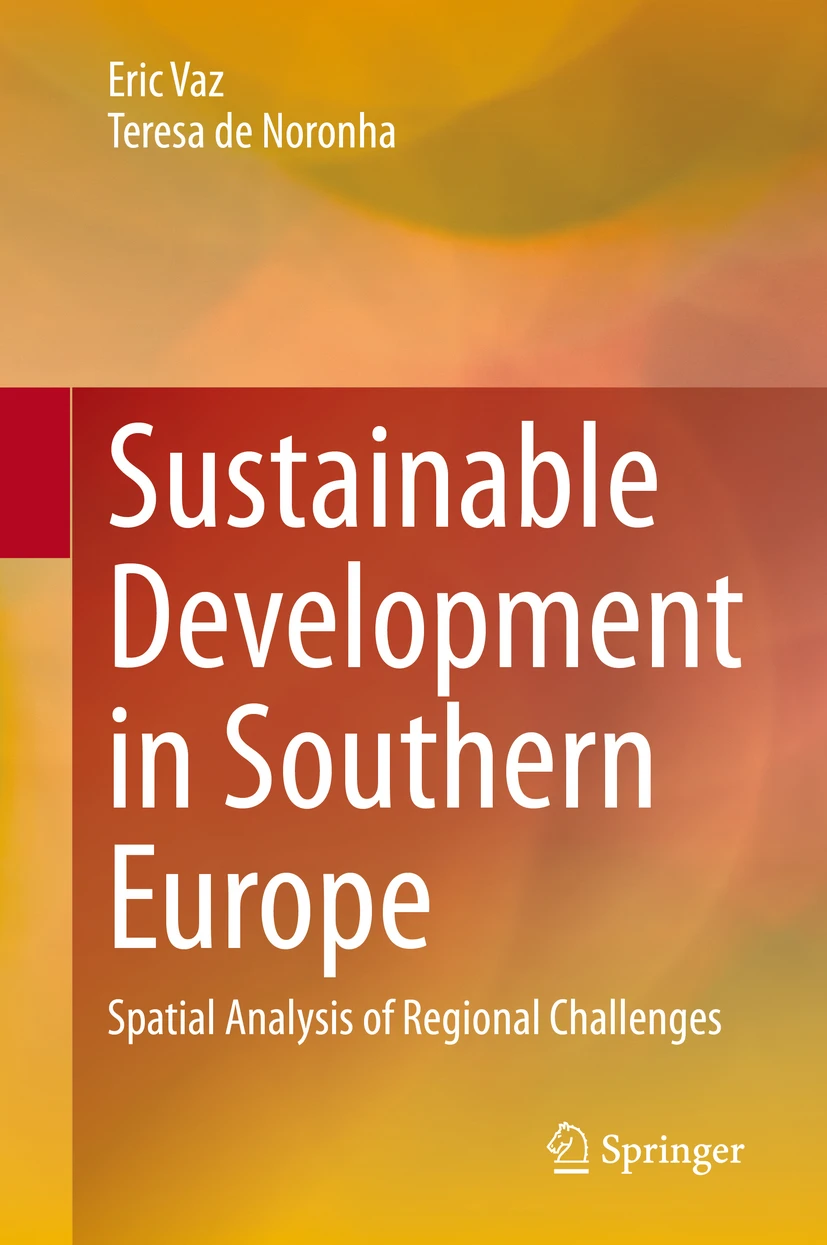
Sustainable Development in Southern Europe — Spatial Analysis of Regional Challenges
2020 Springer · With Noronha

Sustainable Development in Southern Europe

The geography of sustainability and peripherality across the southern European landscape.

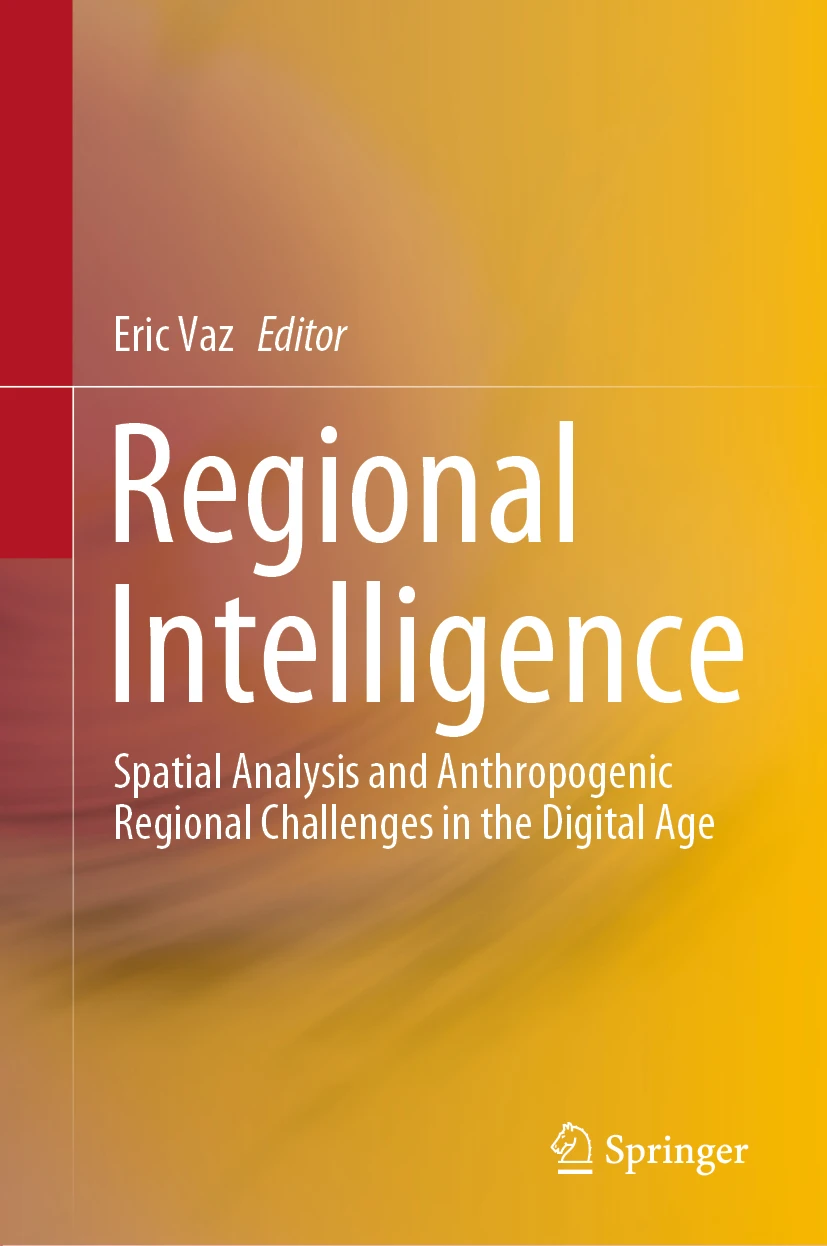
Edited Regional Intelligence — Spatial Analysis and Anthropogenic Regional Challenges in the Digital Age
2020 Springer

Regional Intelligence

The original statement of a framework for understanding regional dynamics under computational abundance.

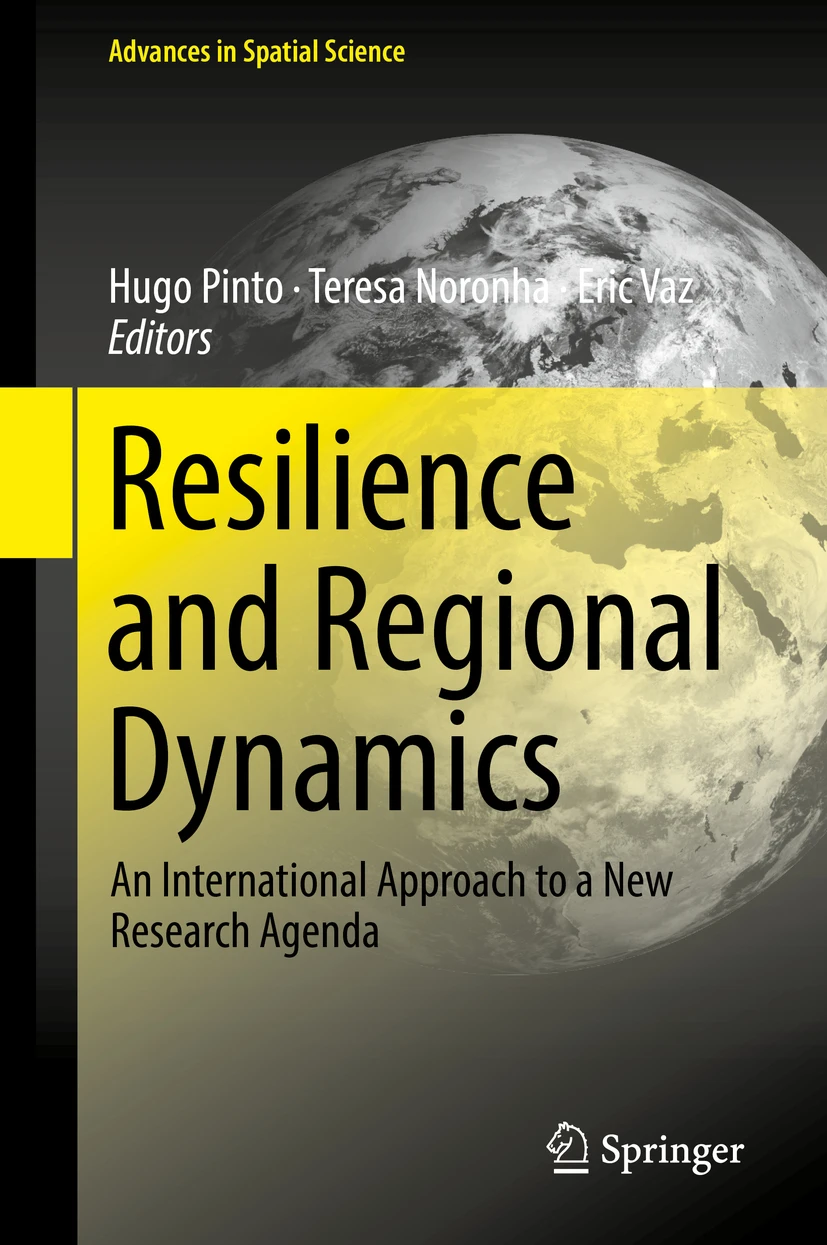
Edited Resilience and Regional Dynamics — An International Approach to a New Research Agenda
2018 Springer · With Pinto & Noronha

Resilience & Regional Dynamics

A multi-author volume on the geography of regional resilience.

04 / Recognition

Editorial service, honours, and scholarly standing.

Honours & Leadership

  • 2023Highly Ranked Scholar in Human Habitat (#18)ScholarGPS global ranking
  • 2021Dean's Scholarly, Research & Creative Activity AwardFaculty of Arts, Toronto Metropolitan University — Tenured
  • 2020Elsevier Highlighted Articles  ·  NASA Earth Observatory Report
  • 2018–21President, Canadian Regional Science Association
  • 2018NASA Earth Observatory Research Highlight
  • 2015Dean's SRC Award, Faculty of ArtsToronto Metropolitan University — Tenure-Track
  • 2013–25Director, Laboratory for GeocomputationDepartment of Geography & Environmental Studies, TMU
  • 2015–18Vice President for Research, CIEOResearch Centre for Spatial & Organizational Dynamics, University of the Algarve
  • 2012, 2013Best Researcher AwardResearch Centre for Spatial & Organizational Dynamics (Portugal)
  • 2012Rising Star AwardRegional Science Association International
  • 2010Best Paper, World Science Engineering AssociationSelected for ESA Advanced Training, European Space Agency

Editorial & Scientific Service

  • 2025–Editorial Board, Humanities & Social Sciences CommunicationsSpringer Nature
  • 2019–20Editor-in-Chief, Canadian Journal of Regional Science
  • 2015–18Associate Editor, Habitat InternationalElsevier
  • 2017–Editorial Board, REGIONEuropean Regional Science Association
  • 2014–Editorial Board, Habitat InternationalElsevier
  • 2015–Editorial Board, DataMDPI
  • 2018–Member, Research Unit for Monitoring of Public PoliciesUniversity of Évora, Portugal
  • 2016–18Scientific Committee, Mediterranean Knowledge International Centre
  • 2024Expert, International Science Council
  • 2024Reviewer, NSERCNatural Sciences & Engineering Research Council of Canada
  • 2019Reviewer, NWONetherlands Organisation for Scientific Research — Earth & Life Sciences
  • 2016Reviewer, DAADGerman Academic Exchange Service
05 / Voices

Reflections from peers and collaborators.

06 / Publications Dashboard

A quantitative portrait of two decades of scholarship.

Peer-Reviewed Articles
7
Monographs & Edited Volumes
Years of Active Publication
Peak-Year Output
Articles per year · 2008–2024
Hover bars for counts
Top venues
    By theme
      Complete publication list
      Showing of publications
      Page 1 / 1
      07 / Invited Lectures

      Recent invited addresses.

      Recent
      • 2025
        Keynote · XIX International Conference on Overarching Issues in the European Area
        University of Porto, Portugal
      • 2025
        Quantum, Machines and Intelligence — Beyond Conventional Computation
        STEP Seminar Series, Truman State University
      • 2025
        GeoAI and Spatial Analysis
        Masters of Spatial Analysis Seminar Series
      • 2025
        AI: A 360 Perspective in Research
        Violet Cuffy Lecture Series — Caribbean Tourism Researchers Network
      • 2024
        Quantifying Happiness: AI, Machine Learning & Geospatial Analytics
        HERE Technologies
      Earlier selections
      • 2023
        Opportunities for Terraforming Mars
        Inaugural Speaker, Digital Scholarship Series — University of Alberta
      • 2021
        Le Corbusier's Nightmare: The Rise of Small Towns
        Department of Geography and Environment, University of Hawai'i at Mānoa
      • 2021
        Beyond the Horizon of Time: Urban Pressure on Heritage Landscapes
        RIT Gosnell Lecture Series, Rochester Institute of Technology
      • 2016
        Happiness Geography in the Rural World
        Public Policy Monitoring Unit, University of Évora
      • 2012
        Rising Star 3: From Ancient Landscapes to Future Cities
        9th World Congress of Regional Science Association International
      08 / Contact

      For correspondence and collaboration.

      Jorgenson Hall · JOR-620
      Department of Geography & Environmental Studies
      380 Victoria Street · Toronto, ON · M5B 2K3
      43.65891° N  ·  79.38083° W

      I welcome notes from scholars, students, journalists, and institutions on matters connected to my research. I read everything that comes through, and reply to what I can.